
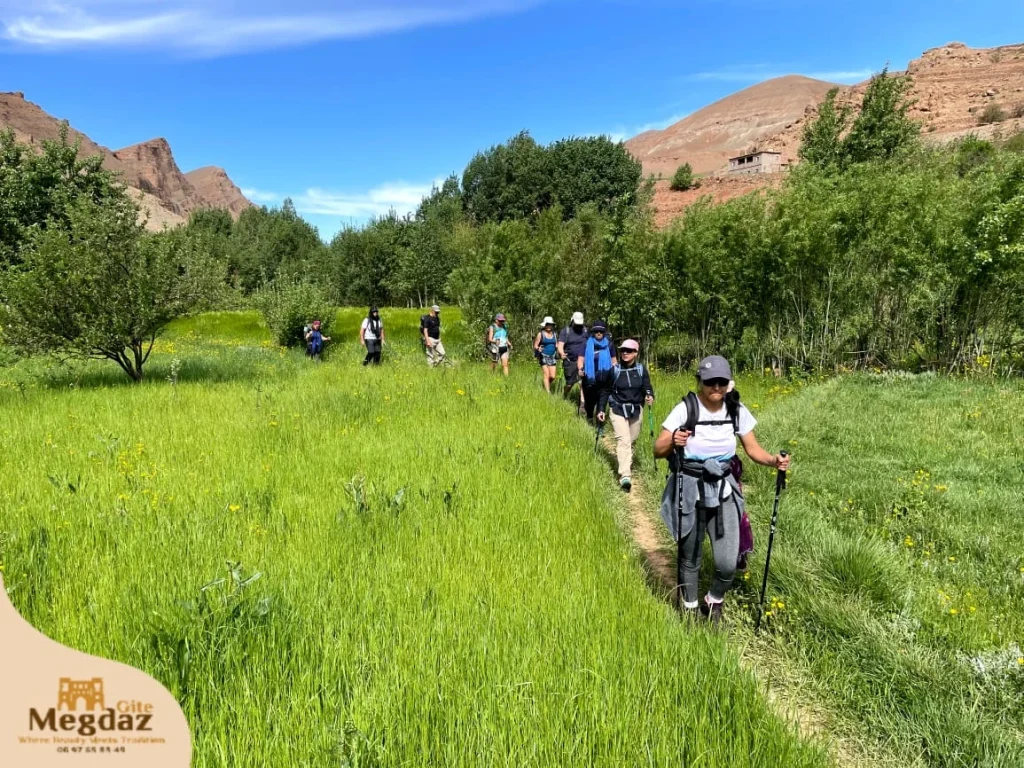
Your First Guide to Hiking: How to Start from Scratch
Hiking is one of the most accessible and rewarding outdoor activities in the world. Whether you dream of standing on a mountain summit, wandering through ancient forests, or simply disconnecting from the noise of city life, hiking can take you there. And the best part? You don’t need to be an athlete or spend a fortune to get started.
This guide is designed specifically for beginners — people who have never hiked before or who have only taken short walks and want to take the next step. By the end, you’ll know exactly what gear to bring, how to choose your first trail, how to stay safe, and how to make the most of every step you take outdoors.
Why Hike? The Benefits of Getting on the Trail
Before diving into the how, it’s worth understanding the why. Hiking offers a unique combination of physical, mental, and social benefits that few other activities can match.
Physical Health
- Cardiovascular fitness: Hiking strengthens your heart and improves endurance.
- Muscle strength: Walking on uneven terrain engages your legs, core, and stabilizing muscles.
- Weight management: A moderate hike can burn between 300 and 600 calories per hour depending on terrain and your body weight.
- Bone density: Weight-bearing activity like hiking helps maintain and improve bone health.
Mental Health
- Studies show that spending time in nature significantly reduces stress hormones like cortisol.
- Hiking can alleviate symptoms of anxiety and depression.
- The meditative rhythm of walking outdoors sharpens focus and boosts creativity.
Connection and Community
- Hiking with others builds strong social bonds through shared experiences.
- Solo hiking builds self-confidence and independence.
- Being in nature fosters a sense of wonder and gratitude that is hard to find elsewhere.
Essential Gear for Beginner Hikers
You don’t need to invest in expensive equipment on day one, but a few key items will make your hike safer and more enjoyable.
1. Footwear
Your feet are your engine. Wearing the wrong shoes is the fastest way to ruin a hike.
- Trail runners: Lightweight, flexible, and great for well-maintained trails. A good choice for most beginners.
- Hiking boots: Offer ankle support and are better for rocky, uneven terrain or carrying a heavy pack.
- What to avoid: Regular sneakers, sandals, or flat-soled shoes — they lack the grip and support needed on natural trails.
Tip: Always break in new footwear with shorter walks before taking them on a long hike.
2. Clothing
Dress in layers and choose moisture-wicking fabrics. Weather can change quickly in the outdoors.
- Base layer: A moisture-wicking t-shirt or long sleeve to keep sweat off your skin.
- Mid layer: A light fleece or softshell jacket for warmth during breaks or cool temperatures.
- Outer layer: A lightweight rain jacket or windbreaker. Even on sunny days, this is worth carrying.
- Bottoms: Hiking pants or leggings that allow freedom of movement. Avoid denim — it becomes heavy and cold when wet.
3. Backpack
For day hikes, a 20–30 liter daypack is ideal. Look for one with comfortable shoulder straps and a hip belt to distribute weight.
4. The Ten Essentials
The outdoor community has long relied on a checklist called The Ten Essentials to ensure safety on any trail:
- Navigation (map and compass, or GPS device)
- Sun protection (sunscreen SPF 30+, sunglasses, hat)
- Insulation (extra layers)
- Illumination (headlamp with extra batteries)
- First-aid supplies
- Fire (lighter and waterproof matches)
- Repair tools and knife
- Nutrition (extra food)
- Hydration (water and a way to purify more)
- Emergency shelter (space blanket or bivy)
5. Water and Food
A general rule: drink at least 500 ml (about 17 oz) of water per hour of hiking, more in hot weather. Bring snacks high in carbohydrates and fats, such as trail mix, nuts, energy bars, or dried fruit.
How to Choose Your First Trail
Choosing the right trail is crucial for a positive first experience. Start small and build from there.
Understanding Trail Ratings
Most trails are rated by difficulty:
- Easy: Flat or gently rolling terrain, well-marked path, short distance (2–5 km). Perfect for absolute beginners.
- Moderate: Some elevation gain, longer distance (5–12 km), may include uneven surfaces.
- Difficult / Strenuous: Significant elevation, rugged terrain, requires prior experience and good fitness.
Recommendation for beginners: Start with an Easy trail under 5 km. There is no shame in starting short — every experienced hiker did the same.
Where to Find Trails
- AllTrails.com — The world’s largest trail database with user reviews, photos, and GPS maps.
- Local parks and nature reserves — Often have ranger offices where staff can recommend beginner-friendly routes.
- National park websites — Detailed trail descriptions, difficulty ratings, and safety notices.
- Hiking clubs — Local hiking groups often organize guided beginner hikes.
Key Factors to Consider
- Elevation gain: A trail with 200 m of gain feels very different from one with 800 m, even if the distance is the same.
- Trail surface: Gravel paths are easier; rocky, rooted terrain is harder.
- Exposure: Open ridgelines expose you to sun and wind; forest trails offer shade.
- Season and weather: Some trails are impassable in winter or spring due to snow and mud.
- Cell coverage: Note whether your planned route has phone reception — and plan accordingly.
Before You Hit the Trail: Planning and Safety
Tell Someone Your Plan
Always let a trusted person know where you are going, which trail you are hiking, and when you expect to return. This is one of the simplest and most important safety habits.
Check the Weather
Mountain weather can change rapidly. Check the forecast the night before and the morning of your hike. If thunderstorms are expected, postpone or choose a lower, forested trail.
Know the Trail
Download or print a map of your trail before you go. Do not rely solely on your phone’s GPS — batteries die and signals are lost. Study the route, note landmarks, and identify any potential hazards.
Start Early
Most experienced hikers aim to begin early in the morning, especially in summer. This helps you:
- Avoid the heat of midday sun
- Beat afternoon thunderstorms (common in mountain regions)
- Have plenty of time to finish before dark
The Turnaround Rule
Decide in advance what time you will turn around, regardless of how far you’ve gone. A good rule of thumb: plan to turn back when you have used one-third of your water and energy, so you have enough reserve for the return journey.
On the Trail: Tips for a Great Hike
Pace Yourself
The most common beginner mistake is starting too fast. Begin at a comfortable, conversational pace — you should be able to speak full sentences without gasping for air. Slow down on uphills and let gravity help you on the descents.
Stay Hydrated and Fueled
Drink water regularly, even if you don’t feel thirsty. Eat a small snack every 60–90 minutes to maintain your energy. Don’t wait until you’re hungry or thirsty — by then, you may already be dehydrated or experiencing an energy dip.
Watch Your Step
Look ahead on the trail but also monitor the ground a few meters in front of you. Roots, loose rocks, and wet leaves are common causes of slips and falls. Take shorter steps on uneven terrain.
Trail Etiquette
- Yield to uphill hikers: Those climbing have the right of way.
- Step aside for horses and cyclists.
- Leave no trace: Pack out everything you bring in. Do not leave food scraps, wrappers, or litter.
- Keep noise down: Respect the tranquility of nature and other hikers.
- Stay on the trail: Cutting switchbacks causes erosion and damages vegetation.
Wildlife Awareness
Observe wildlife from a distance. Never feed animals. Store food properly to avoid attracting bears or other wildlife. In areas with snakes, stick to visible trails and watch where you place your hands and feet.
After the Hike: Recovery and Reflection
Stretch and Rehydrate
After your hike, gently stretch your quadriceps, hamstrings, calves, and hip flexors. Drink water and eat a balanced meal with protein and carbohydrates to help your muscles recover.
Check for Ticks
In many regions, ticks are present in grassy and wooded areas. After every hike, check your body carefully, especially in warm, hidden areas. Remove any ticks promptly with fine-tipped tweezers.
Review and Learn
Ask yourself: What went well? What would I do differently? Were my boots comfortable? Did I bring too much or too little water? This reflection will help you improve with each hike.
Keep a Hiking Journal
Consider logging your hikes — date, location, distance, elevation, weather, and observations. Over time, this record will reveal your progress and inspire you to explore more.
Building Up: Your First 3-Month Hiking Plan
Progress gradually. Here is a simple progression plan for new hikers:
| Month | Goal | Distance | Elevation Gain |
|---|---|---|---|
| Month 1 | Build habit and comfort | 3–6 km per hike | Under 150 m |
| Month 2 | Increase distance and terrain variety | 6–10 km per hike | 150–400 m |
| Month 3 | Tackle your first moderate trail | 10–15 km per hike | 400–700 m |
Aim for at least one hike per week, supplemented by walks or light exercise on other days to build your base fitness.
The Right Mindset: What Hiking Will Teach You
Hiking is not just a physical activity — it is a practice in patience, presence, and humility. The mountain does not care about your schedule. You cannot rush a summit. You can only keep going, one step at a time.
There will be moments of doubt on a steep climb. There will be blisters, rain, and tired legs. But there will also be moments of profound beauty and quiet triumph. The view from the top — of any hill, any ridge, any peak you have earned with your own legs — is unlike anything you can find elsewhere.
Start where you are. Use what you have. Do what you can. The trail is waiting.
Conclusion
Hiking is one of life’s great gifts: a simple act of walking that can transform your health, your perspective, and your relationship with the natural world. You don’t need to be fit, experienced, or well-equipped to begin. You just need to take the first step.
Choose an easy local trail. Put on comfortable shoes. Tell someone where you’re going. Bring water. And go.
The rest will follow.
Always hike responsibly and respect local regulations and the natural environment.